


Mahindra Car Service Expert in Madhapur

Let’s start with something most Mahindra owners already feel but rarely say out loud: your SUV is tougher than most cars on the road, but that toughness only holds up if it’s maintained properly. Whether you’re driving a Scorpio, XUV700, Thar, Bolero, or XUV300 through the daily grind of Madhapur’s traffic, the difference between a car that lasts fifteen years and one that starts giving trouble at year five usually comes down to one thing — who’s servicing it.
This isn’t going to be a generic listicle about “why maintenance matters.” Instead, let’s actually walk through what makes Mahindra vehicles different from the rest, what a real car service visit should look like, the kind of car repair issues Mahindra owners run into more than others, and how to actually judge whether a workshop near you knows what it’s doing.
Mahindra Vehicles Aren’t Built Like Everything Else
Here’s the thing a lot of people miss: Mahindra vehicles, especially the SUV lineup, are built with heavier-duty components than your average city hatchback. Bigger engines, more robust suspension systems, four-wheel-drive options on select models, and diesel powertrains that behave very differently from petrol engines when it comes to servicing needs.
This means a generalist garage that’s used to handling small hatchbacks all day might genuinely struggle with:
- Diagnosing issues on Mahindra’s diesel common-rail systems correctly
- Handling the specific torque settings required for suspension and drivetrain components
- Reading fault codes from Mahindra’s onboard computer systems using the right diagnostic tools
- Sourcing genuine parts that match the exact trim and engine variant of your vehicle
- Understanding how 4WD and AWD systems in models like the Thar or XUV700 need to be serviced differently from standard 2WD setups
A dedicated mahindra car service expert, on the other hand, has seen these exact issues repeatedly and knows the shortcuts that don’t work and the fixes that actually last.
Why Location in Madhapur Actually Matters
You might wonder why we keep emphasizing “Madhapur” specifically instead of just saying “Hyderabad” in general. The answer is simple — proximity and local road knowledge both matter more than people give them credit for.
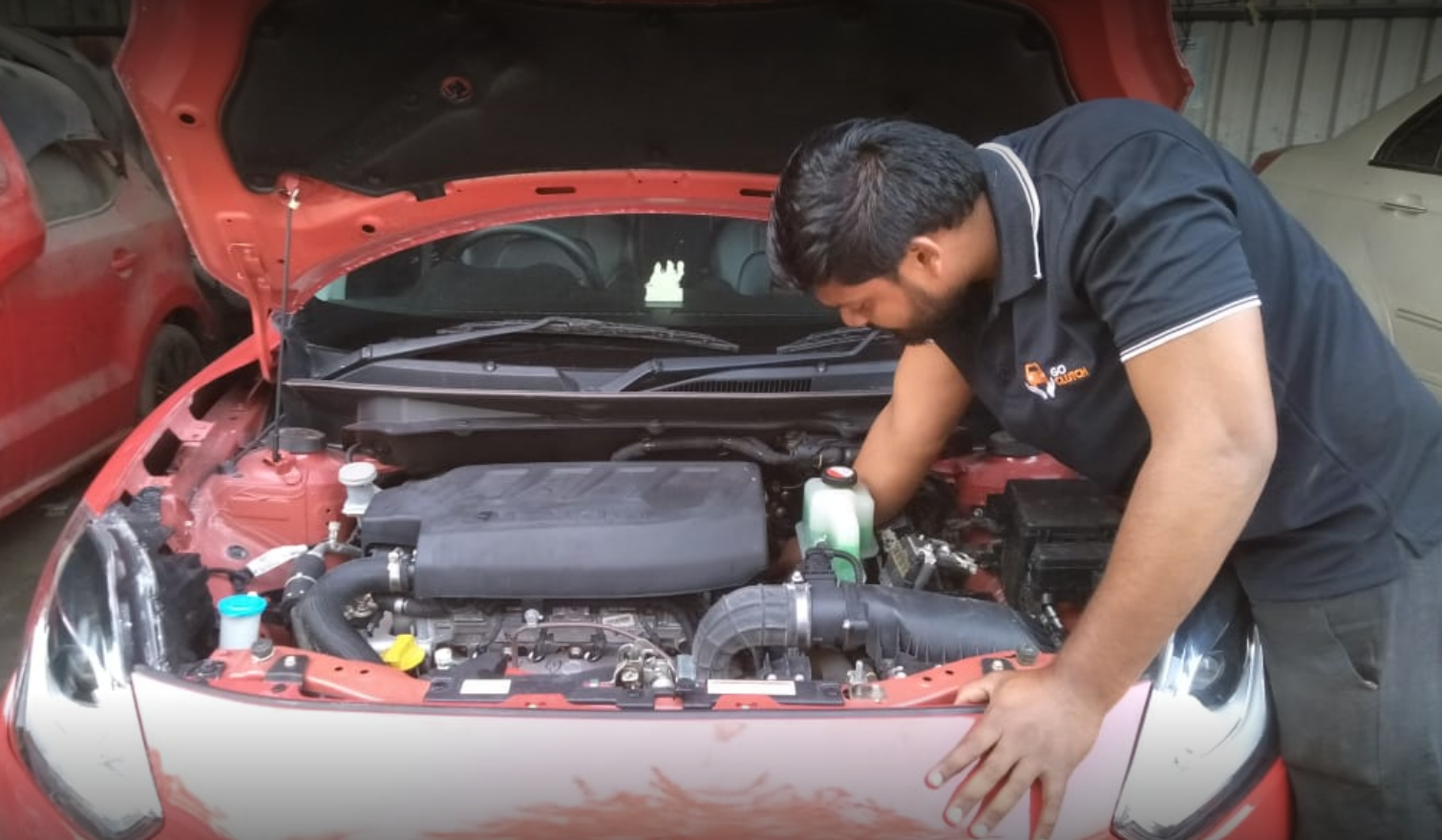
Madhapur sits right in the middle of one of Hyderabad’s busiest zones, surrounded by HITEC City, Gachibowli, and a constant stream of office traffic. If your car breaks down or needs urgent attention, having a competent center for car service in Madhapur nearby means you’re not stuck arranging a tow across half the city. It also means the technicians working on your car have likely already dealt with the same road conditions, potholes, and driving patterns your car experiences every single day.
There’s also a practical side to this. A local workshop tends to build a reputation within the community fairly quickly — word travels fast when someone does (or doesn’t) do a good job. That local accountability often translates into better service, because reputation is everything for a business that depends on repeat customers from the same neighborhood.
The Mahindra-Specific Issues You Should Actually Watch For
Rather than listing generic car problems, let’s talk about what actually tends to go wrong with Mahindra vehicles specifically, based on how they’re built and used.
Diesel Engine Servicing
A large chunk of Mahindra’s lineup runs on diesel engines, which require different servicing intervals and fluid types compared to petrol counterparts. Fuel filter clogging, injector issues, and turbocharger wear are far more common complaints for diesel Mahindra owners than for petrol car owners. If your workshop doesn’t ask about your fuel type before quoting a service plan, that’s already a red flag.
Suspension Wear on SUVs
Mahindra SUVs are heavier than typical hatchbacks, which puts extra strain on suspension components over time — especially on Hyderabad’s uneven roads. Clunking noises, a bouncy ride, or uneven tire wear patterns are early warning signs that shouldn’t be ignored. Proper car repair here means replacing worn bushings and shock absorbers before they affect handling and safety.
Clutch and Transmission Health
If you’re driving a manual variant (still common in models like the Bolero), clutch wear is something to monitor closely, especially if you do a lot of stop-and-go city driving. A slipping clutch or difficulty shifting gears often points to wear that needs attention before it leads to a bigger transmission repair bill.
4WD System Maintenance
Owners of the Thar or XUV700 with 4WD capability need to pay special attention to differential fluid changes and transfer case servicing. These systems are more complex than a standard drivetrain, and neglecting them can lead to expensive repairs that could’ve been avoided with routine checks.
AC Performance in Hyderabad’s Heat
Just like with any car in this city, air conditioning takes a beating during Hyderabad’s long summer stretch. Mahindra SUVs, with their larger cabin space, often need slightly more attention paid to compressor health and refrigerant levels to keep cooling efficient throughout the vehicle.
Battery and Electrical Load
Modern Mahindra models come loaded with electronics — from touchscreen infotainment to multiple driving modes and sensor-based safety features. This puts a heavier load on the battery and alternator system compared to older, simpler vehicles. If you’re noticing slow window operations or dimming lights at idle, it’s worth getting the electrical system checked sooner rather than later.
What a Genuine Mahindra Car Service Visit Should Include
If you walk into a service center and they just do a basic oil change without checking anything else, that’s not a real service — that’s a shortcut. Here’s what should actually happen during a proper visit:
A full diagnostic scan. Even if nothing seems wrong, plugging in a diagnostic tool can catch issues before they become visible symptoms.
Fluid checks across the board. Engine oil, coolant, brake fluid, power steering fluid, and transmission fluid should all be inspected, not just topped up blindly.
Brake and tire inspection. Pad thickness, disc condition, and tire tread depth and pressure should be checked and reported to you clearly.
Suspension and undercarriage check. Given how much SUVs take a beating on rough roads, a visual and physical inspection of suspension components should be standard, not optional.
Battery health test. A quick voltage and load test can tell you if your battery is on its way out before it leaves you stranded.
A clear written report. You should walk away knowing exactly what was checked, what was fine, what needs attention soon, and what’s urgent — not just a vague “everything’s good” verbal update.
How to Actually Judge a Good Workshop
Since we’ve already covered what a good service looks like, let’s talk about how to identify a workshop that’s likely to deliver that experience consistently.
Ask about their Mahindra-specific experience directly. Don’t be shy about asking how many Mahindra vehicles they service in a typical month, or whether their technicians have manufacturer training. A confident, specific answer is a good sign.
Check if they stock genuine parts on-site or need to order them. Workshops with a steady flow of Mahindra customers usually keep common parts in stock, which also means faster turnaround for you.
Look at how they handle diesel-specific concerns. Given how many Mahindra models run on diesel, ask pointed questions about fuel filter replacement intervals and injector cleaning practices. Vague answers here suggest limited actual experience.
Read recent reviews, not just the overall rating. A 4.5-star rating from three years ago doesn’t tell you much about current service quality. Look at what people are saying in the last few months.
Notice how they communicate. Do they explain problems in plain language, or do they just throw jargon at you and expect you to trust them blindly? The best car service experiences come from workshops that actually want you to understand what’s happening with your vehicle.
Why Regular Service Beats Reactive Repair Every Time
There’s a tendency to treat car maintenance as optional until something actually breaks. But with SUVs like Mahindra’s lineup, the cost difference between proactive maintenance and reactive car repair can be significant. A delayed suspension check might mean replacing a full strut assembly instead of just a bushing. Ignored diesel filter changes can eventually damage the fuel injection system, which is a far costlier fix than routine filter replacement would have been.
Think about it this way — every rupee spent on timely service is essentially insurance against a much larger repair bill down the line. It’s also insurance against being stranded somewhere inconvenient, which, if you’ve ever experienced it, you know is worth avoiding at almost any cost.
A Realistic Service Schedule for Mahindra Owners
While your owner’s manual remains the definitive source, here’s a general framework most Mahindra owners find useful:
- Every 5,000–10,000 km: Basic service — oil change, filter replacement, general inspection
- Every 15,000–20,000 km: Brake system check, suspension inspection, battery test
- Every 30,000–40,000 km: Deeper diagnostic check, transmission fluid inspection, 4WD system check for applicable models
- Before monsoon: Wiper, tire, and electrical waterproofing checks
- Before long drives or off-road trips: Full suspension, tire, and undercarriage inspection
Conclusion
Owning a Mahindra in a busy, high-traffic locality like Madhapur means your vehicle works harder than most. That’s exactly why it deserves a service partner who actually understands what makes these vehicles different — not just a generic once-over that treats your SUV like any other car on the road.
Whether you need routine car service, a specific car repair, or simply want peace of mind before a long trip, finding a genuine mahindra car service expert who knows the ins and outs of your vehicle will save you time, money, and stress in the long run. If you’re specifically searching for car service in Madhapur, take the extra few minutes to ask the right questions before committing to a workshop — your SUV, and your wallet, will thank you later.